
304 ★
Recommended- Best for
- Restaurants
- Corrosion
- Food safe
- Yes
Loading...
Stainless Steel Material Guide
Moon Steel fabricates standard equipment in certified AISI 304, with 316 and other grades available for specialized environments. Use this guide to decide fast — then dive into engineering detail when you need it.
Most visitors only need the overview above. Use the tools below for a tailored recommendation.
What are you building? Get an instant material recommendation.
Recommended material
AISI 304
304
Typical uses
Sinks · Tables · Shelves · Hoods
316
Typical uses
Coastal kitchens · Labs · Seafood · Pharma
Scan by property — 304 is the commercial kitchen default; 316 is the premium upgrade.
| Property | 201 | 202 | 304 ★ | 316 ★★ | 430 |
|---|---|---|---|---|---|
| Food Safe | Caution | Caution | Yes | Yes | Limited |
| Corrosion | ★★ | ★★ | ★★★★★ | ★★★★★★ | ★★★ |
| Weldability | Good | Good | Excellent | Excellent | Fair |
| Kitchen Use | No | No | Yes | Yes | Limited |
| Marine | No | No | Good | Excellent | No |
| Cost | $ | $ | $$ | $$$ | $ |
Answer three questions for a guided grade recommendation.
1. Where will the equipment be installed?
2. Will it touch food?
3. Budget?
Grade and thickness both belong on the quote.
0.8 mm
Light shelves
1.0 mm
Cabinets
1.2 mm
Tables
1.5 mm
Heavy-duty tables
2.0 mm
Industrial equipment
3.0 mm
Custom fabrication
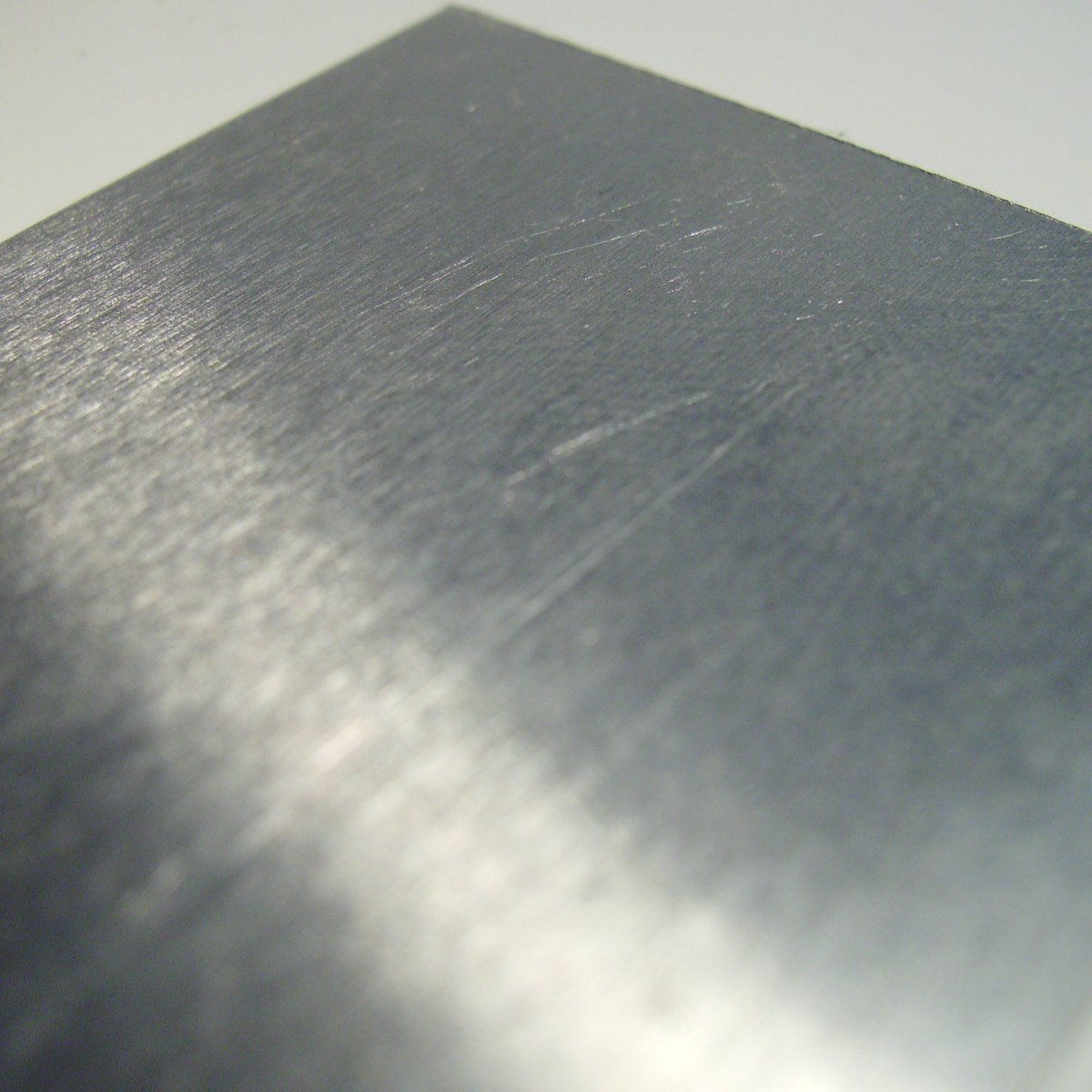
Most commercial kitchens
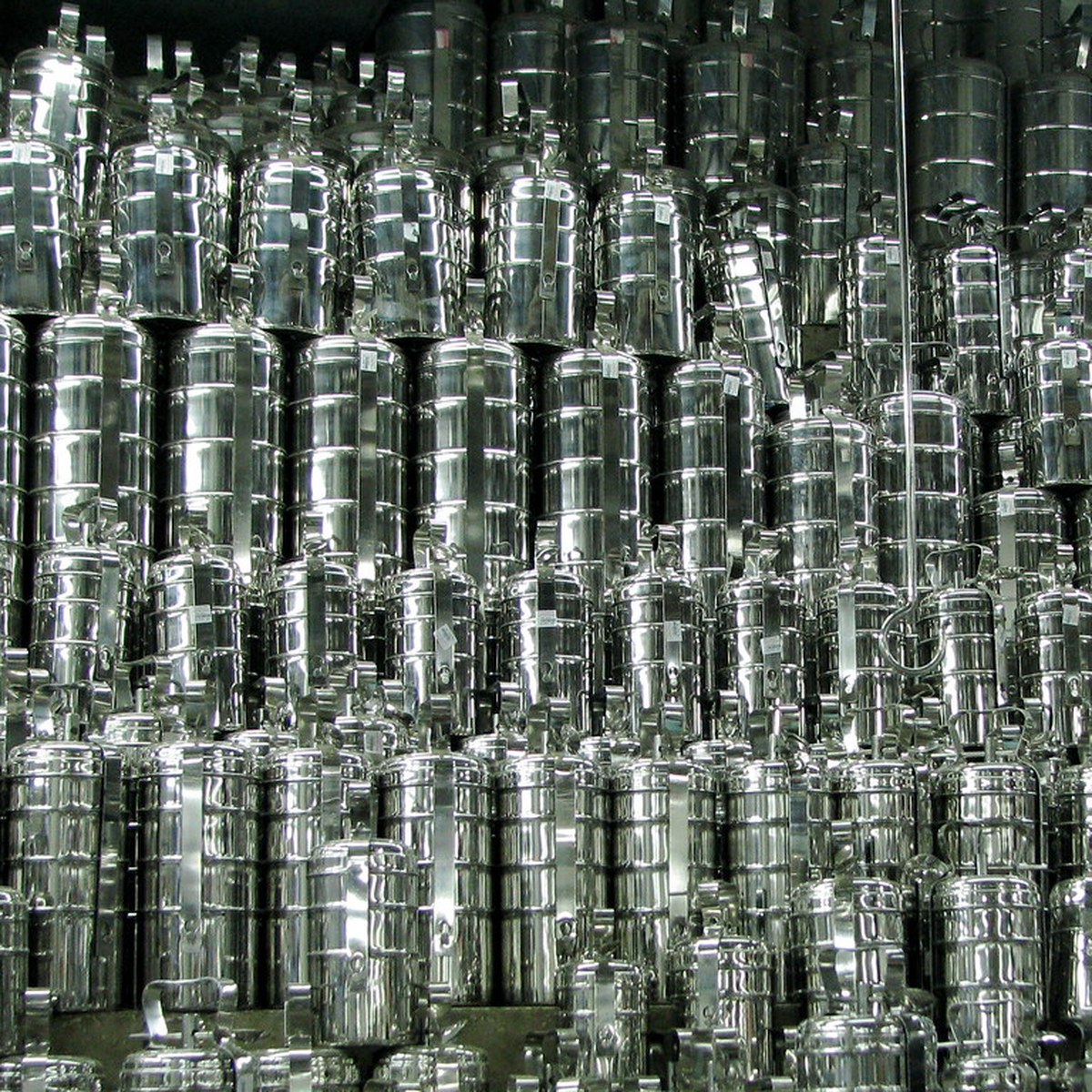
Decorative
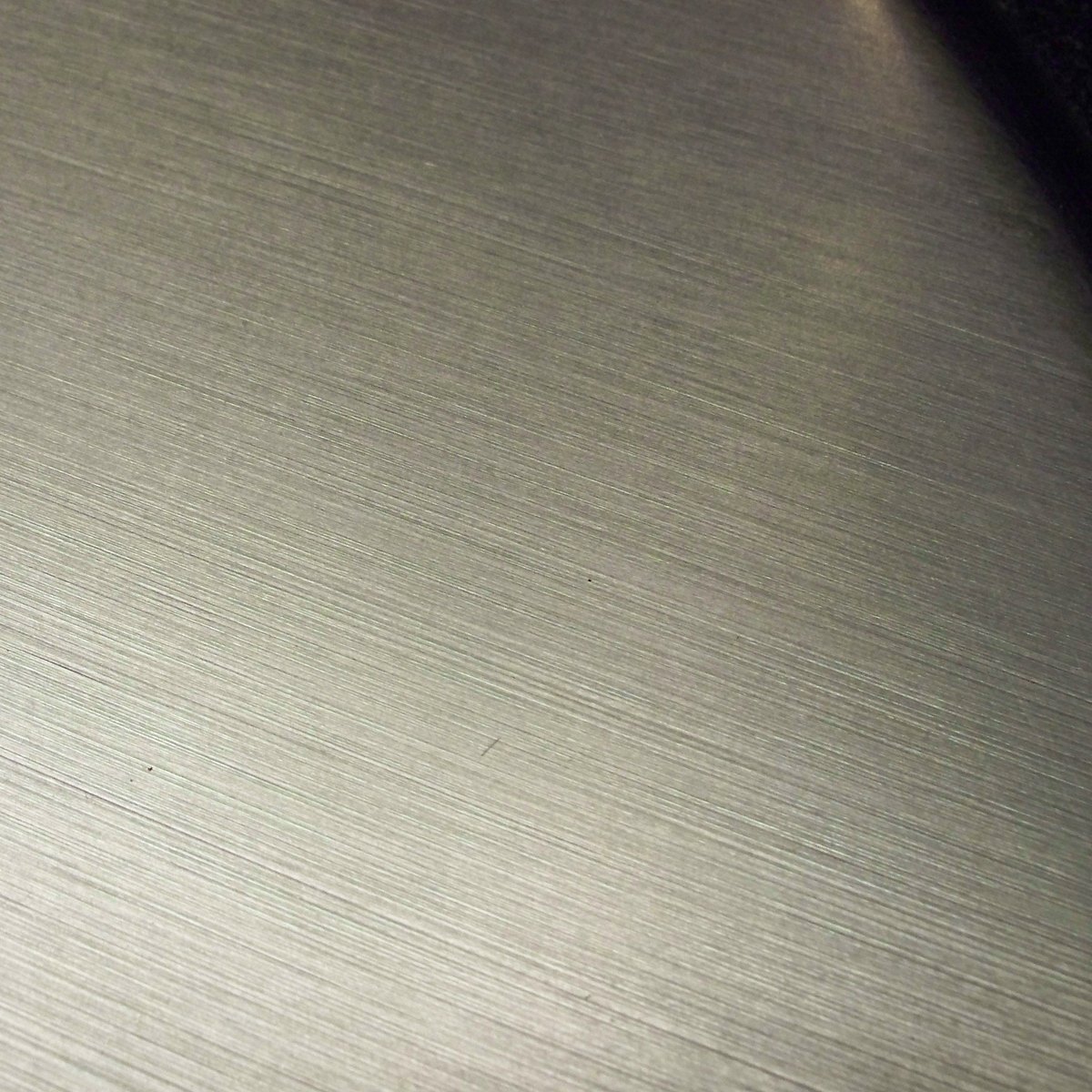
Architectural
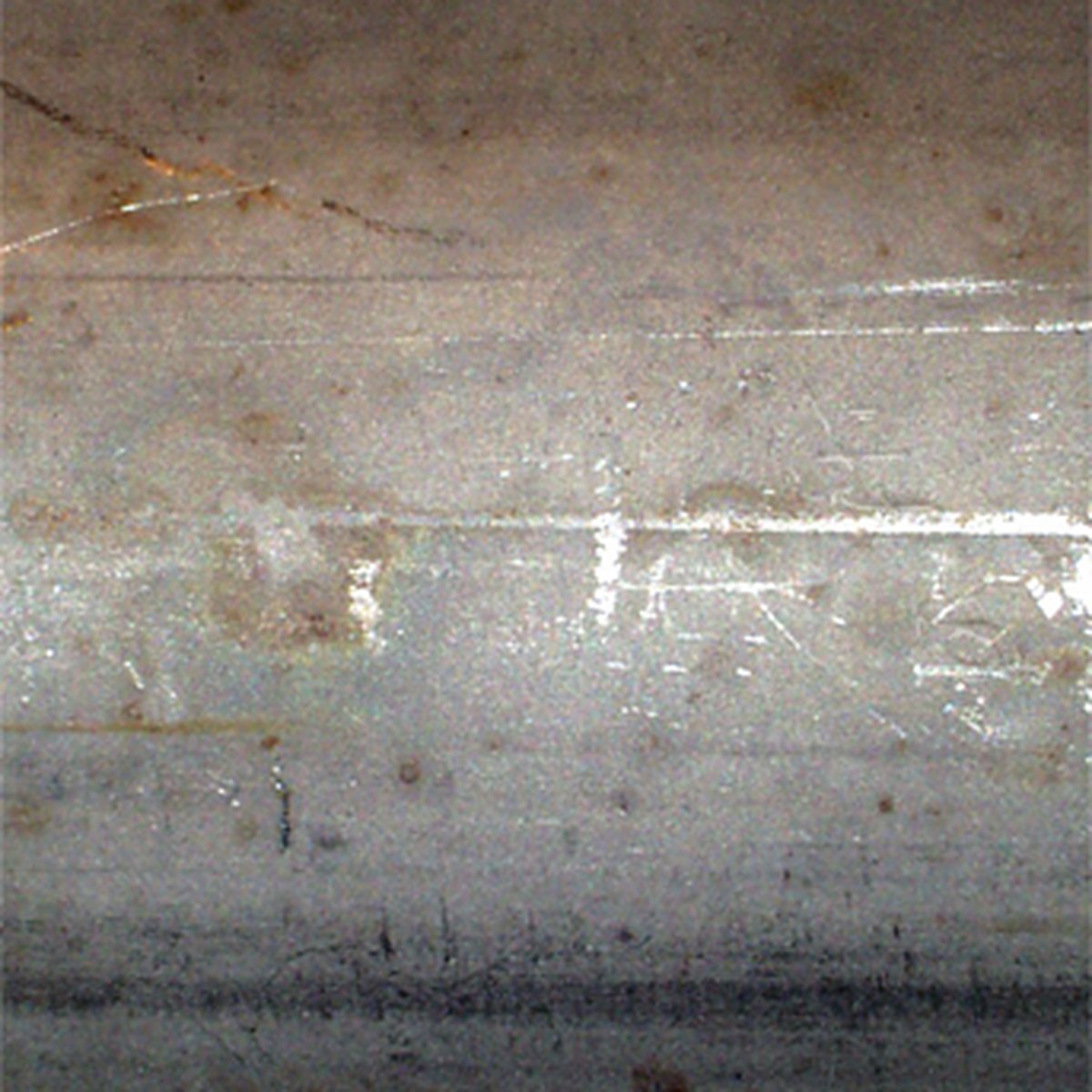
Industrial
Finish photos are real-world metal surfaces (Commons / Flickr). Visual references for surface character — request physical samples for final specification.
Approximate ranges engineers look for when comparing grades — and what an XRF gun or lab report should roughly match.
| Grade | Chromium | Nickel | Molybdenum |
|---|---|---|---|
| 304 | 18–20% | 8–10.5% | — |
| 316 | 16–18% | 10–14% | 2–3% |
| 430 | 16–18% | — | — |
Looking at shine is not enough. To know the real stainless grade, use paperwork plus chemistry checks — a material testing gun on site, or lab analysis for critical work.
Documentation
Ask for mill test certificates (MTC) with the coil or sheet heat number. This is the first line of traceability for grade, chemistry, and thickness.
On-site
A handheld XRF (X-ray fluorescence) or PMI gun reads chromium, nickel, molybdenum, and other elements on the spot — useful for confirming 304 vs 316 vs 200-series without cutting a sample.
Lab
For disputed material or critical projects, send a sample to a materials lab for wet chemistry or OES analysis. Lab results are the most authoritative grade confirmation.
Quick check only
A magnet can hint at ferritic grades like 430, but cold-worked 304 can also show slight magnetism. Never use a magnet alone to accept or reject stainless.
Practical tip: For 304, expect roughly 18% chromium and 8%+ nickel. For 316, also look for molybdenum (~2–3%). Low nickel with manganese-heavy readings often points to cheaper 200-series material — not commercial kitchen grade.
| Environment | 304 | 316 |
|---|---|---|
| Fresh Water | Yes | Yes |
| Salt Water | Caution | Yes |
| Chlorine | Caution | Yes |
| Acidic Food | Yes | Yes |
| Outdoor | Good | Excellent |
Quick estimate for grade, thickness, and finish.
Follow the decision path for a fast engineering answer.
Will it contact food?
| Standard Material | AISI 304 Stainless Steel |
| Optional Grades | AISI 304L, 316, 316L, 430, Others on Request |
| Surface Finish | #4 Satin (Brushed) |
| Available Finishes | No.4, BA, Mirror, Hairline, 2B |
| Typical Thickness | 0.8 mm – 3.0 mm (project dependent) |
| Welding | TIG Welding |
| Certification | Mill Certificates Available |
| Food Contact | Suitable for Commercial Food Service |
Certified AISI 304 as standard — with 316 and other grades when your environment demands them. Every quote names grade, thickness, and finish.
Send drawings or environment notes and we will come back with grade, thickness, finish, and a fabrication quote.